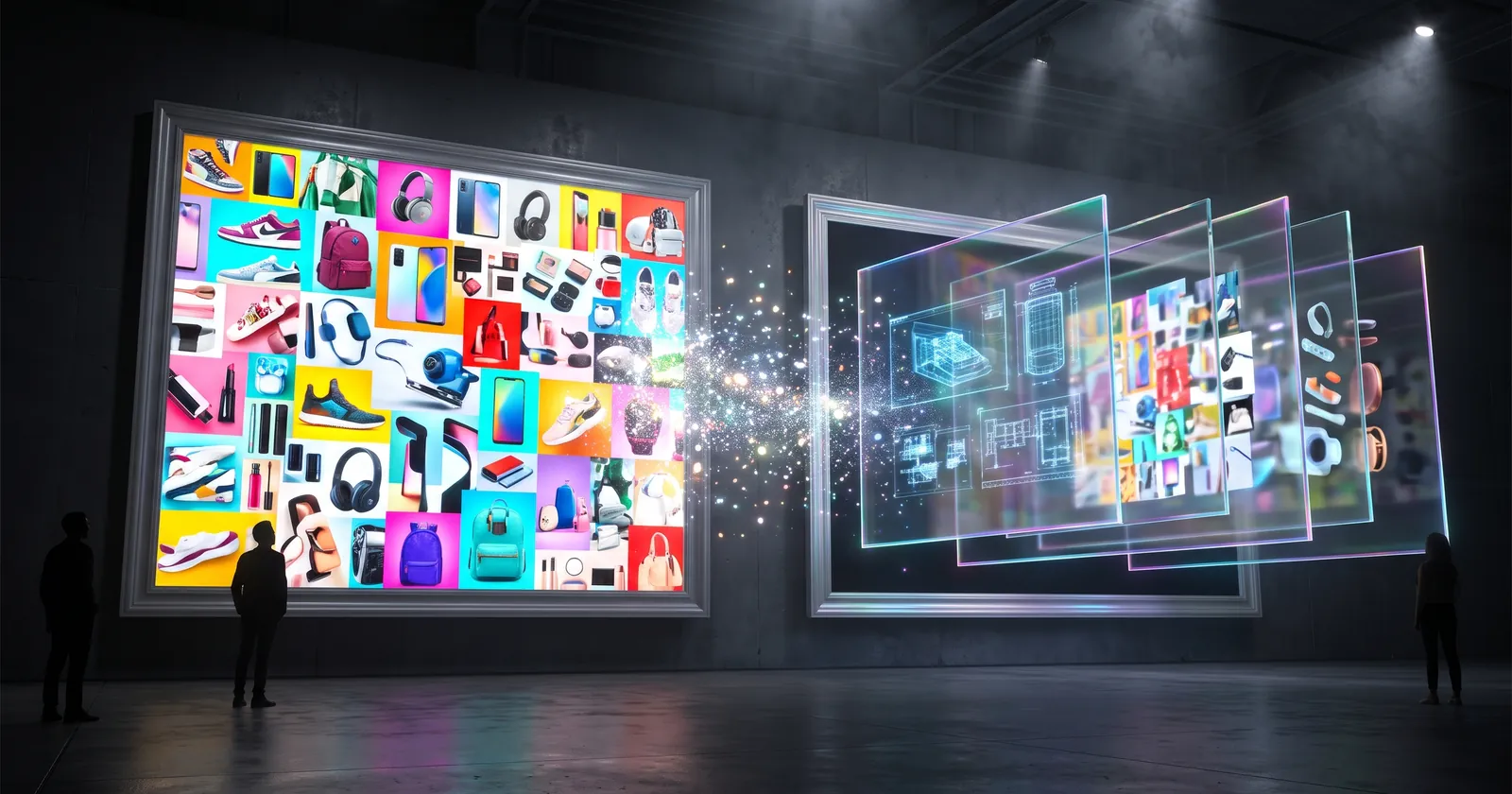
Two of the most useful AI image models for marketers got major updates this autumn: Google's Nano Banana 2.1 in October and ByteDance's Seedream 5.5 on November 9, 2026. Both generate and edit images, both handle text inside images better than before, and both are cheaper than the versions they replace. But they're tuned for different jobs. This guide compares them on the things that matter in real marketing work: editing, consistency, text, transparency, cost and where you can use them.
1. What's New in Each Model
Nano Banana 2.1 (Google)
- Built on Gemini 3.6 Flash: Google's "efficient" image model, designed for speed and volume. Nano Banana Pro remains the top-quality option.
- Up to 14 reference images: It can keep up to four people and ten objects consistent across images, which helps with campaign characters and product sets.
- 1K, 2K and 4K output, plus wide panorama formats.
- Thinking levels (minimal, medium, high): More thinking improves layout-heavy images like infographics.
- Search grounding: It can use Google Search for real-world references.
- About half the price of Nano Banana 2 per image in the API.
Seedream 5.5 (ByteDance)
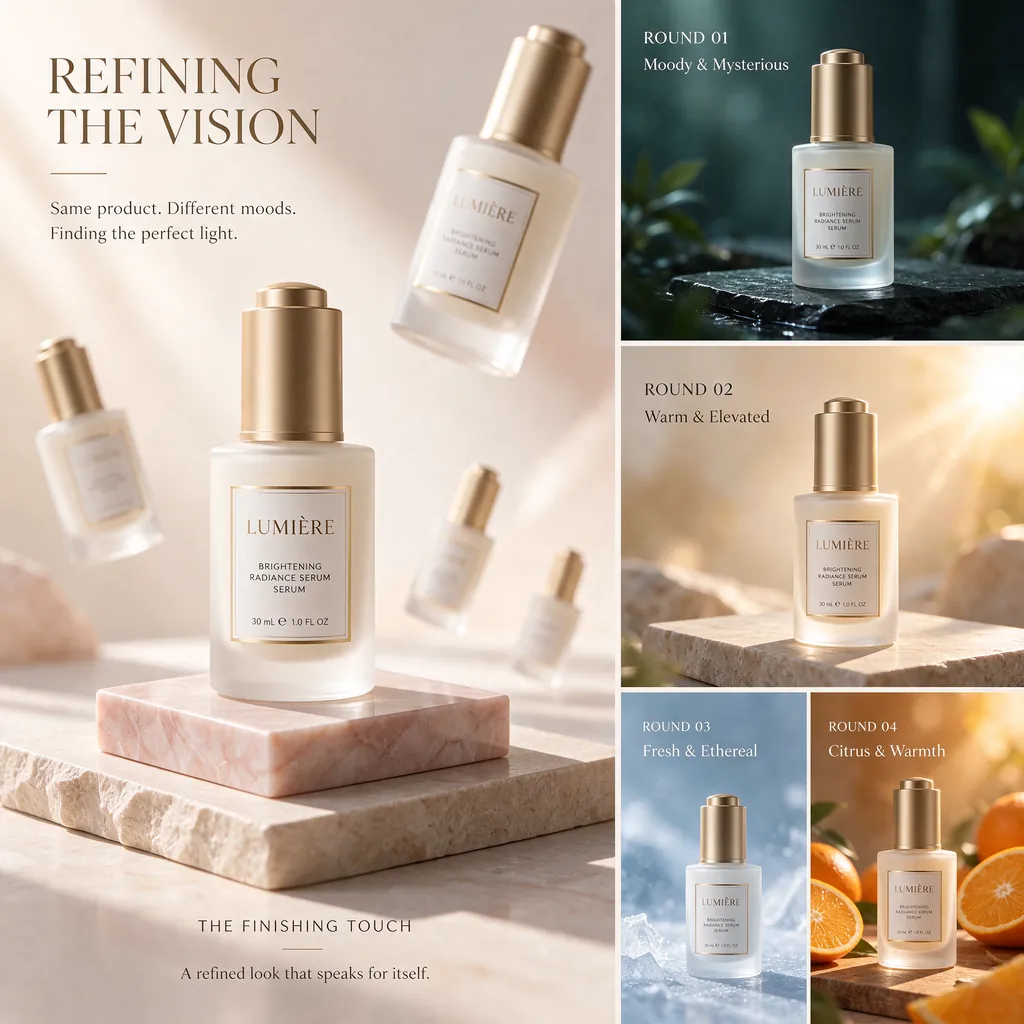
- Stable multi-round editing: ByteDance says you can keep editing the same image for up to 100 rounds while areas you didn't touch stay unchanged, without colour drift.
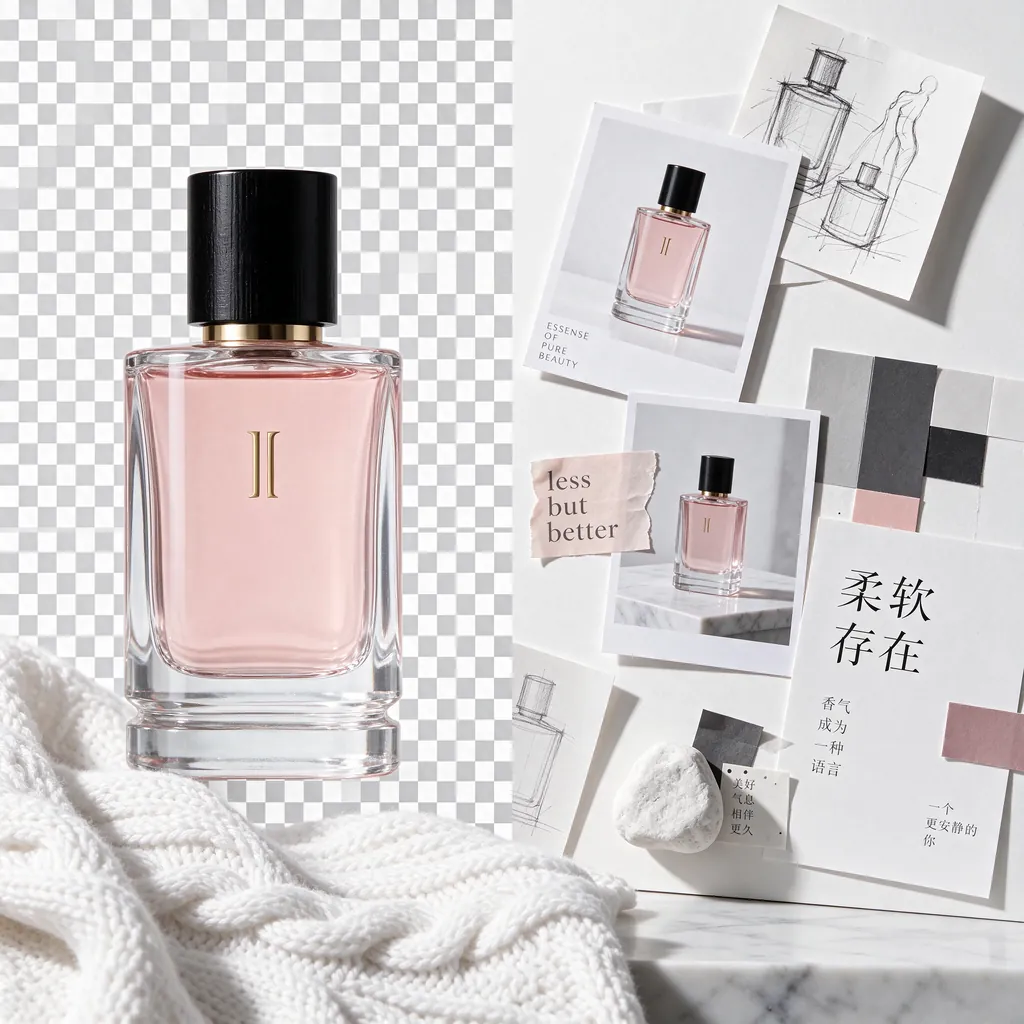
- Native transparency: It outputs RGBA images with clean edges, so products and design elements come out ready to drop into a layout, no background removal needed.
- Better text: ByteDance reports a 0.4% severe text error rate and improved small and dense text, in English and Chinese.
- More natural realism: Better lighting, materials and skin, with less of the glossy "AI look".
- Faster and cheaper: Press reports put it at roughly 40% faster and about 60% cheaper than Seedream 5.0 Pro on ByteDance's own platform. A Pro version is coming later.
2. Side-by-Side Comparison
| Nano Banana 2.1 | Seedream 5.5 | |
|---|---|---|
| Maker / release | Google, October 2026 | ByteDance Seed, November 9, 2026 |
| Best at | Fast, consistent, on-brand generation | Precise, repeatable editing |
| Reference images | Up to 14 (4 people, 10 objects) | Multiple references supported |
| Transparent output | No native transparency | Yes, native RGBA |
| Text in images | Clearer than Nano Banana 2; perfect in our test | Strong on paper; misspelled one title in our test |
| Resolution | 1K, 2K, 4K | Up to 2K and above, depending on platform |
| API price | About $0.034 (1K) to $0.076 (4K) per image | Lower than Seedream 5.0 Pro; varies by platform |
| Where to use it | Gemini app, AI Mode, AI Studio, Flow, Stitch, Google Ads, Gemini Enterprise | ByteDance apps and Volcano Engine; third-party platforms such as Higgsfield |
3. Where Nano Banana 2.1 Wins
- Campaign consistency: Fourteen reference images make it easier to keep the same model, mascot or product line looking right across a whole campaign.
- Volume at low cost: At roughly 3 to 8 US cents per image, generating dozens of variations for testing is cheap.
- Infographics and layouts: Google reports big gains in infographic accuracy with thinking turned on.
- Inside Google's tools: It's available directly in Google Ads and the Gemini app, so ad teams can create and test creatives without switching tools.
Known limits: Nano Banana Pro still produces more realistic images, small text can be blurry at 1K, likeness to reference faces isn't always exact, and the model occasionally mixes up left and right.
4. Where Seedream 5.5 Wins
- Rounds of client feedback: Change the label, then the lighting, then the background, then the colour, without the rest of the image slowly falling apart. That's how real approval cycles work.
- Product cutouts and design assets: Transparent PNGs straight out of the model save a step for e-commerce listings, A+ content and social templates.
- Layered files for designers: Early API providers also list a layer-separation mode that splits an image into editable transparent layers, useful when a designer needs to finish the work.
- Text-heavy creative: Posters, packaging mockups and offer banners with lots of small text.
Known limits: availability outside ByteDance's own platforms is still rolling out, exact API pricing varies by provider, and most performance figures are ByteDance's own evaluations.
5. We Tested Both: Same Prompt, Two Results
Spec sheets only tell you so much, so we ran the same creative briefs through both models at the same settings (square, 2K), one generation each, no retries or cherry-picking. All brands and events below are fictional, made up for this test.
1. Luxury perfume hero
Prompt: A fragrance bottle labelled "SAHRA — Eau de Parfum, 50 ml" on a sand dune at blue hour, amber glass, drifting sand, gold label with serif lettering, macro still life.
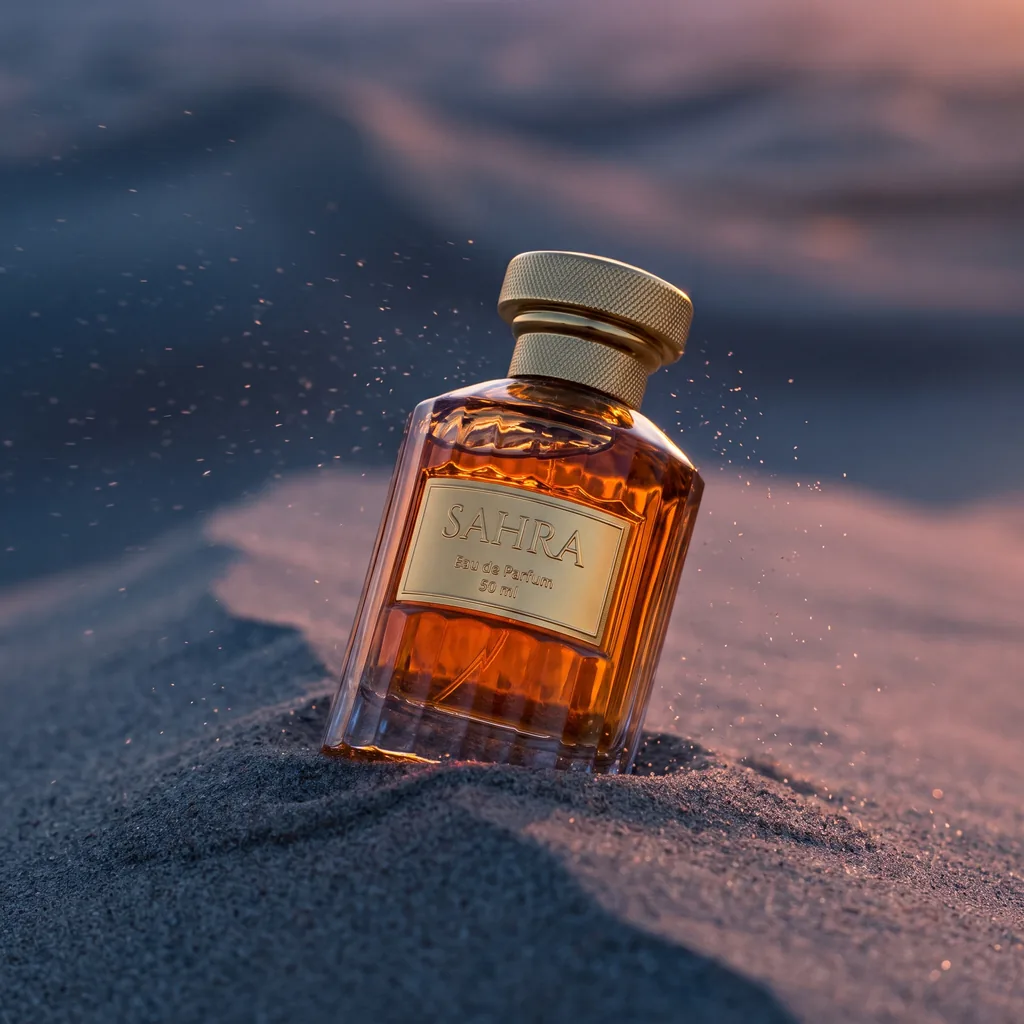
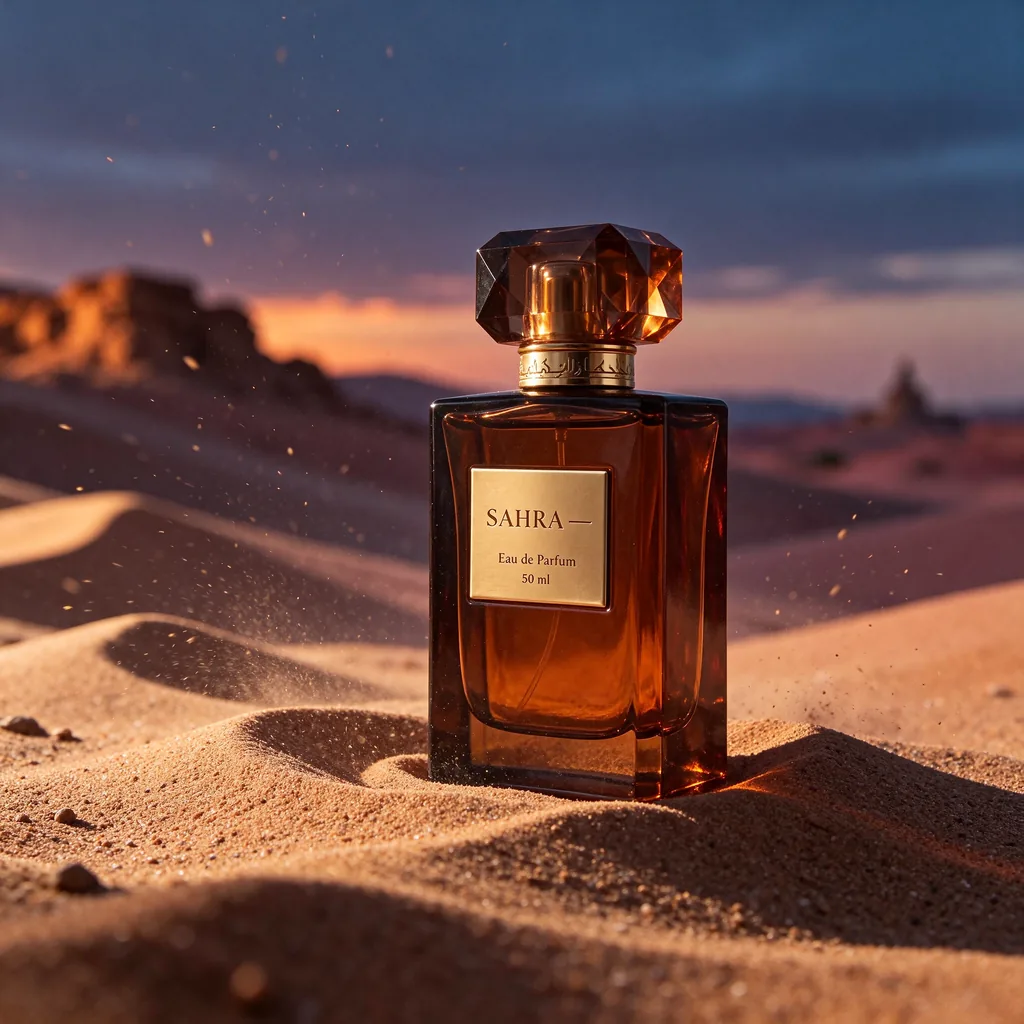
Nano Banana 2.1 got the label exactly right and nailed the flying sand, but the dunes came out grey and flat. Seedream 5.5 produced the more beautiful image, with warm golden dunes and a faceted crystal cap, but printed the dash from the prompt onto the label ("SAHRA —"). Looks: Seedream. Accuracy: Nano Banana.
2. Fashion editorial
Prompt: A woman in an ivory silk abaya with gold embroidery in a sandstone courtyard, mashrabiya lattice shadows across her face and the fabric, wind lifting the hem, medium-format film look.
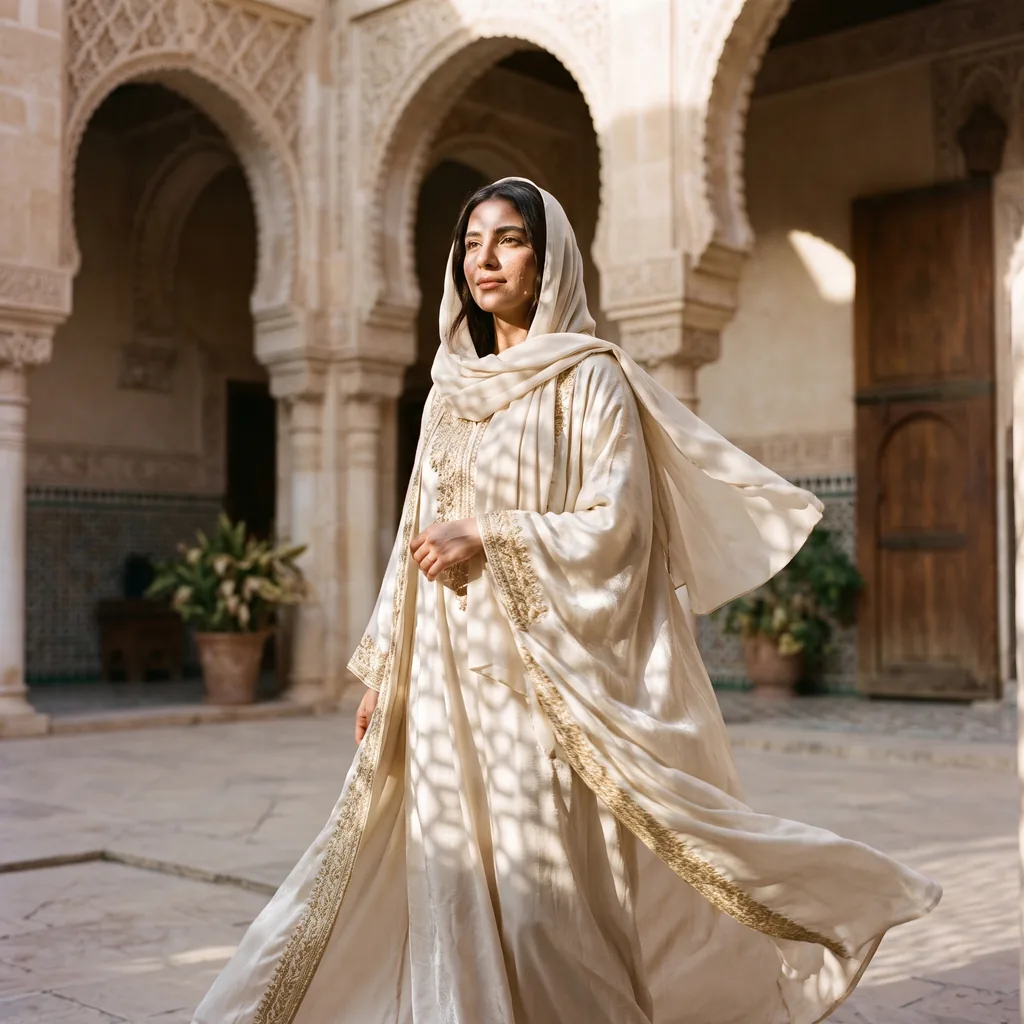
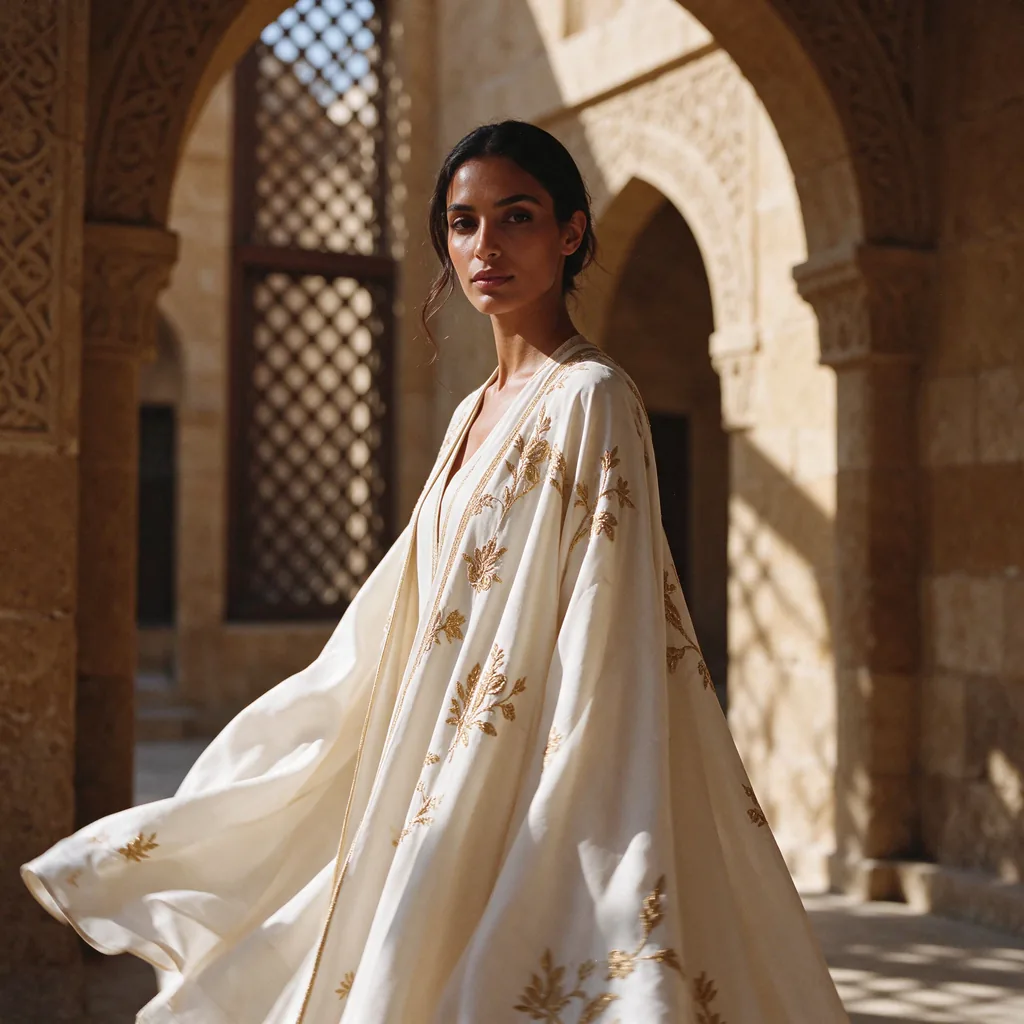
Both are genuinely editorial-quality. Nano Banana 2.1 followed the brief more closely, with lattice shadows falling across the fabric and natural, unretouched skin. Seedream 5.5 has the more striking pose and finer embroidery, but the signature lattice shadows mostly ended up in the background. Close call; Nano Banana for following the brief.
3. Arabic coffee commercial
Prompt: Overhead close-up of Arabic coffee poured from a brass dallah, steam rising, Medjool dates on a painted plate, cardamom and saffron on dark walnut, moody side lighting.
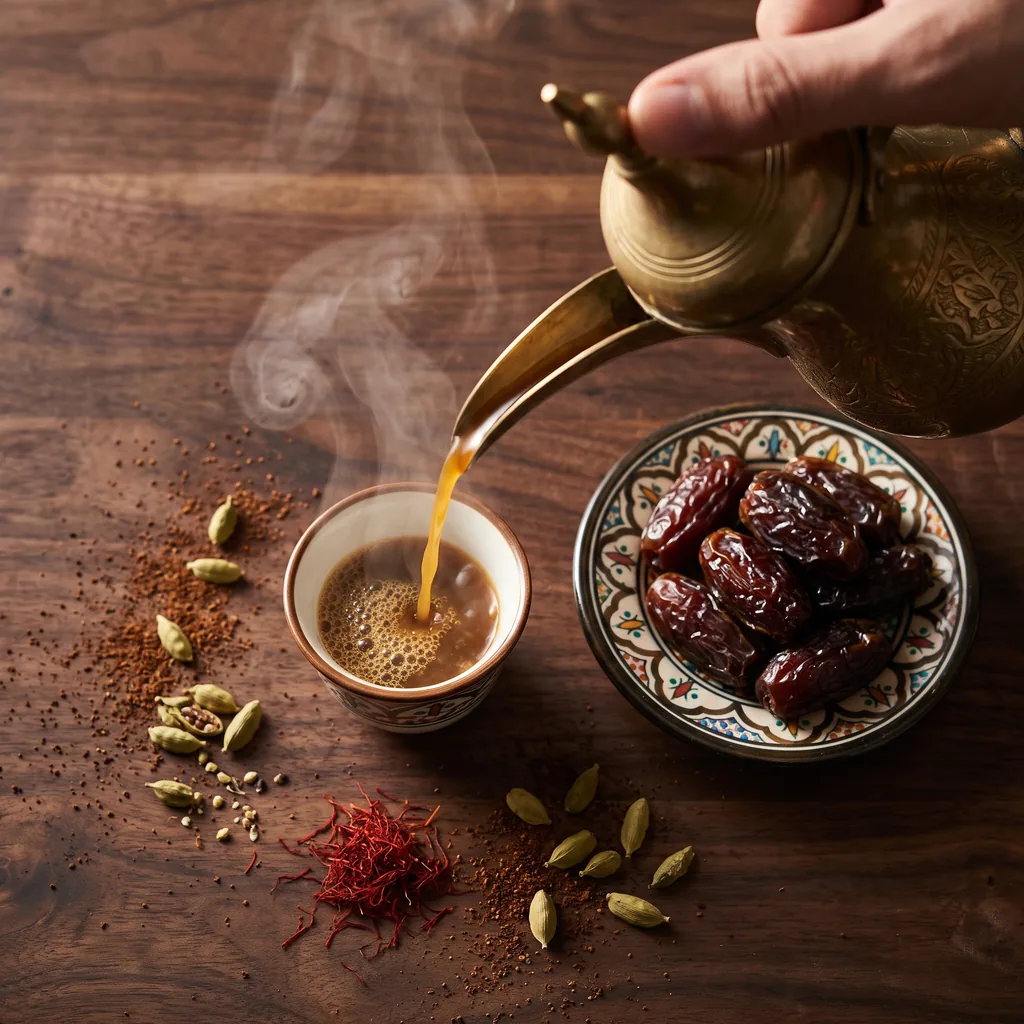
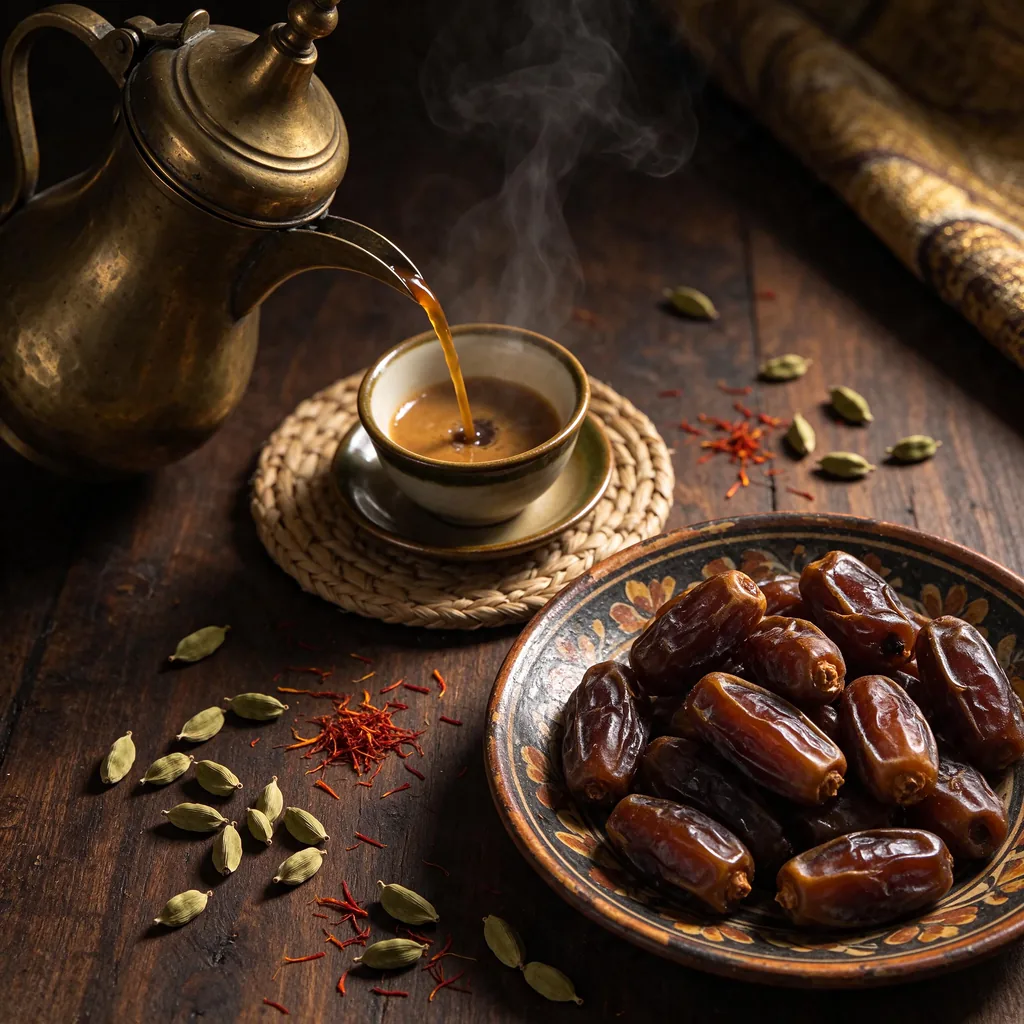
Seedream 5.5 delivered the moodier, more cinematic light and a more authentic golden coffee colour, though it shot from an angle rather than overhead. Nano Banana 2.1 stayed closer to overhead with crisp texture on the dates and spices, but the coffee came out dark like espresso. Mood: Seedream.
4. Event poster with small text
Prompt: An art-deco poster for "NOOR — Dubai Design Nights" in gold on midnight blue, with the line "14–16 March 2027 · Alserkal Avenue · Talks, Pop-ups & Live Music · Free Entry".
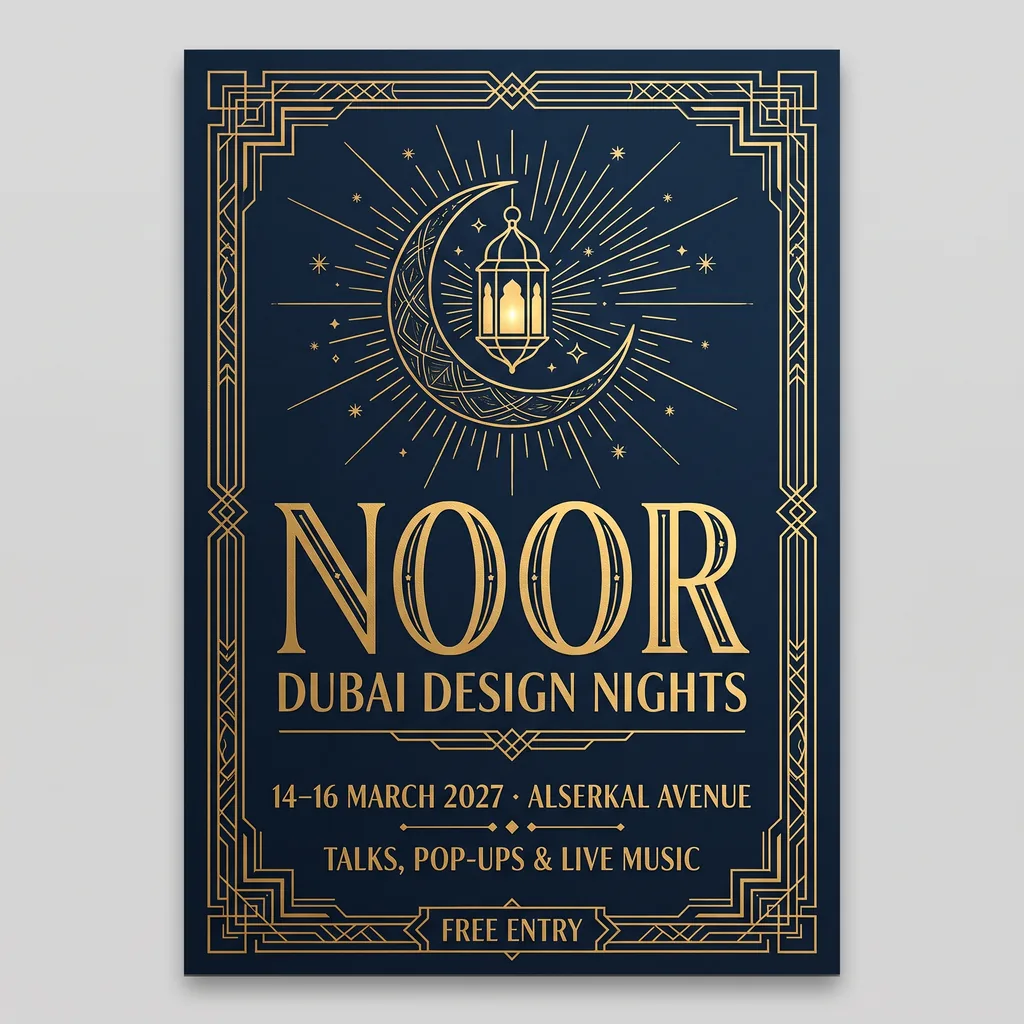
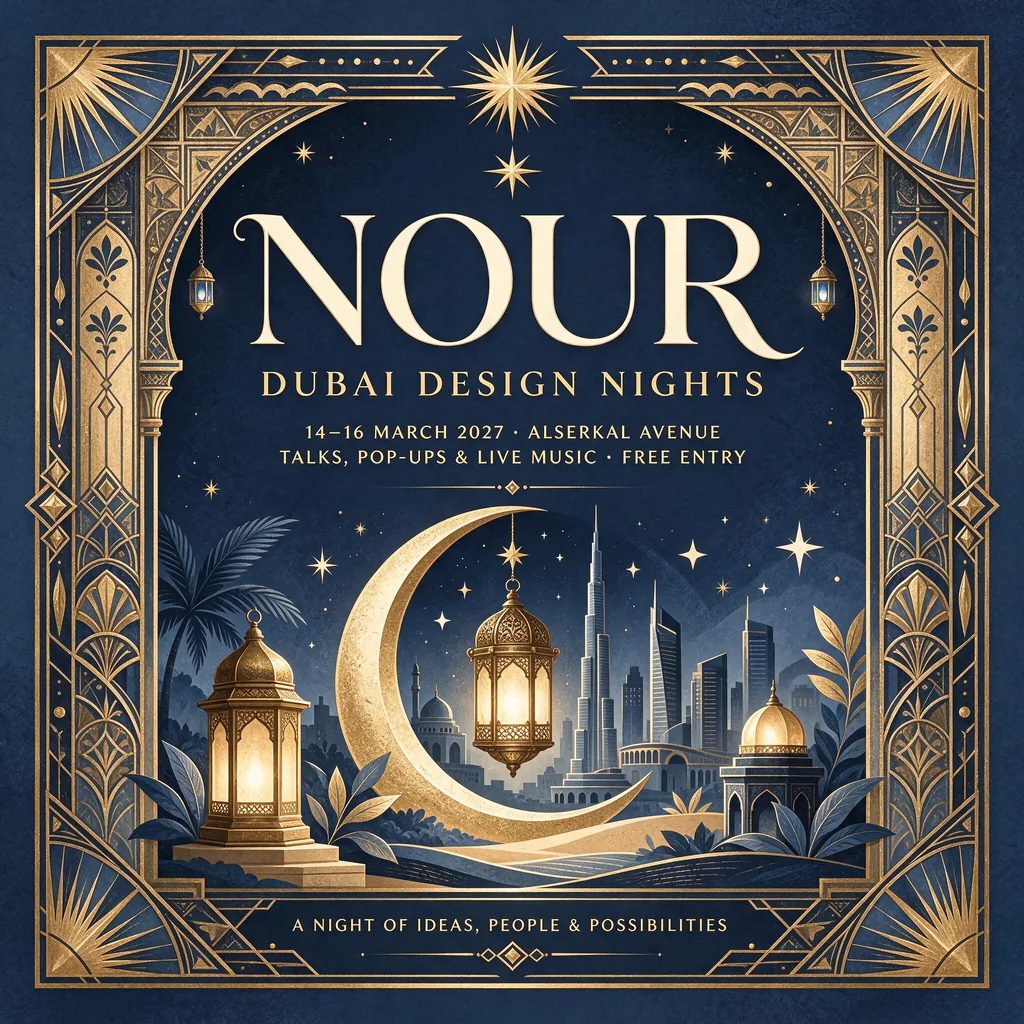
Nano Banana 2.1 spelled every word correctly, including the small date and venue line, in a clean, balanced layout. Seedream 5.5 made a richer illustration but misspelled the title as "NOUR" and added a tagline and skyline nobody asked for. Clear win: Nano Banana. (Fictional event created for this test.)
5. Infographic
Prompt: A clean, modern infographic titled "From Bean to Cup" with 4 numbered steps (Harvest, Roast, Grind, Brew), flat pastel illustrations and short captions.
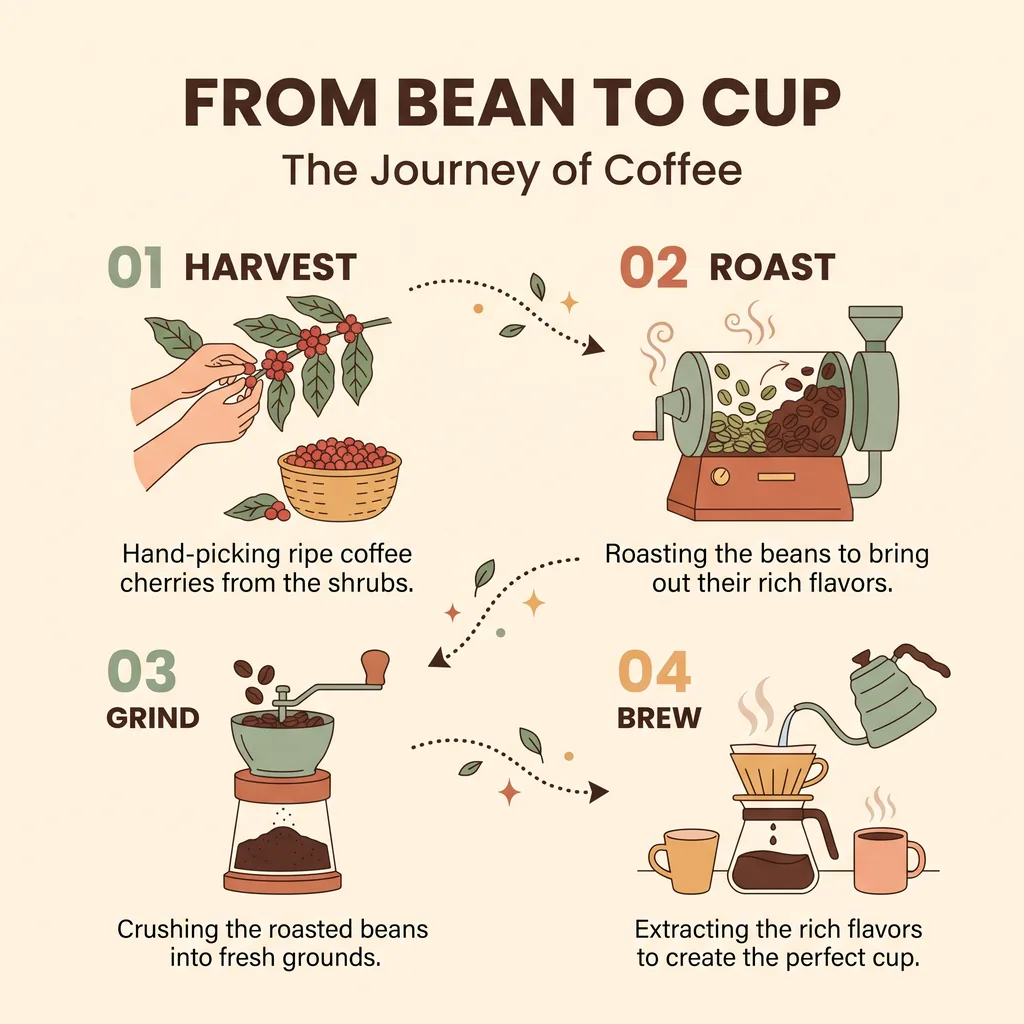
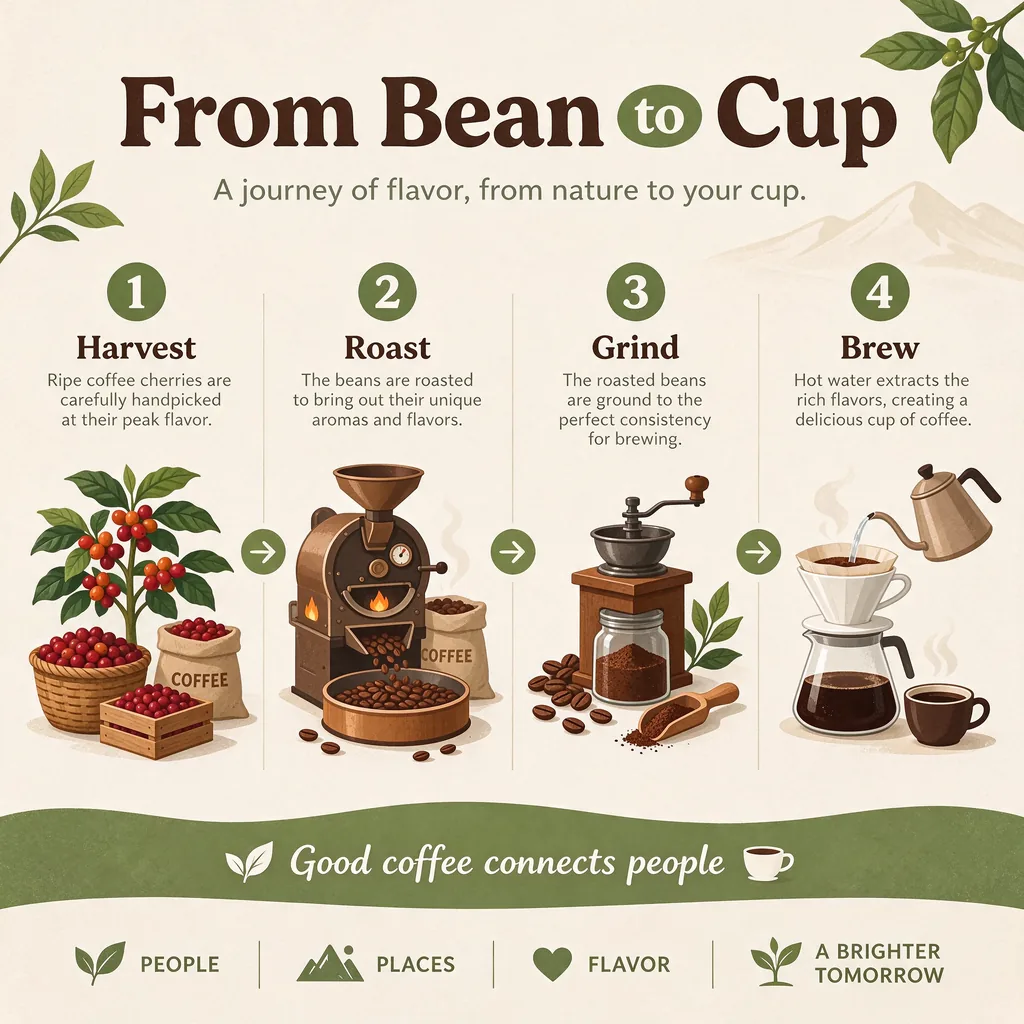
Both got every word right. Nano Banana 2.1 stuck to the flat pastel style that was asked for. Seedream 5.5 drew richer, more detailed illustrations but added a footer and icon row that weren't in the brief. Following the brief: Nano Banana.
6. Close-up face (realism test)
Prompt: Extreme close-up beauty portrait of a woman in her early 30s with olive skin, natural freckles and visible pores, no heavy retouching, soft window light from the left, hazel eyes with sharp catchlights, flyaway hairs across her forehead, dewy skin, nude lip, 85mm at f/1.8, warm-beige background.
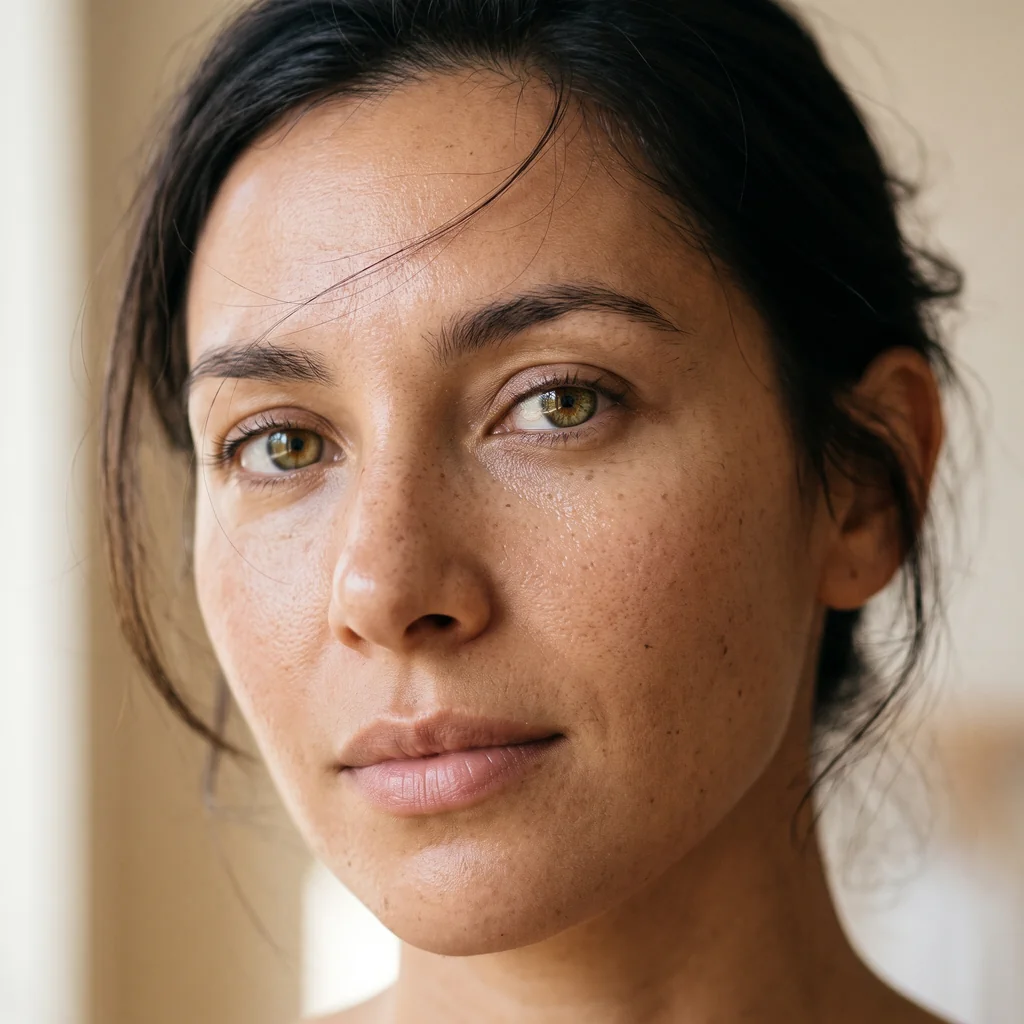
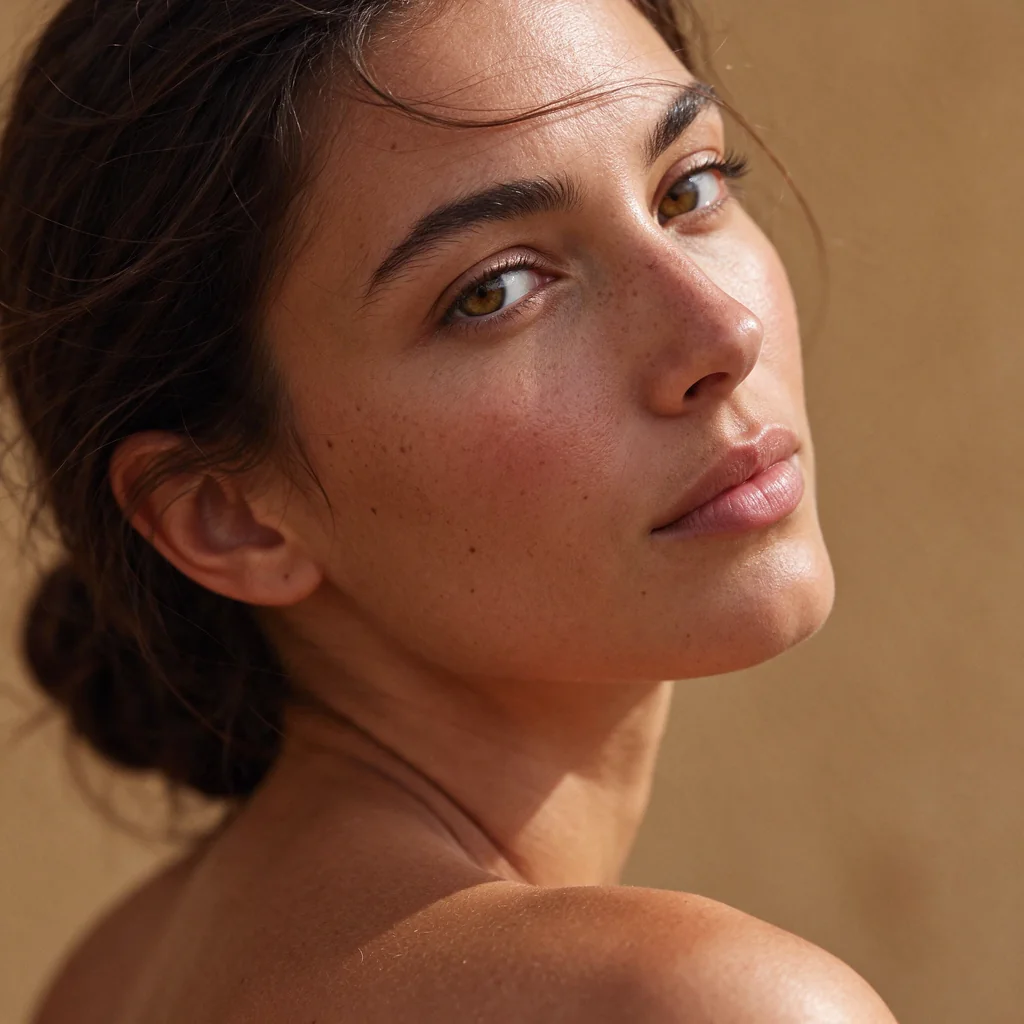
Nano Banana 2.1 produced the more convincing photograph: visible pores, freckles, dewy skin, hazel eyes and flyaway hairs exactly as briefed, in soft window light. It could pass for a real unretouched portrait. Seedream 5.5 went for a more glamorous over-the-shoulder pose with lovely golden light, but it changed the eyes to brown and shows visible colour banding in the shadows and hair edges. Realism: Nano Banana.
Our scorecard
| Nano Banana 2.1 | Seedream 5.5 | |
|---|---|---|
| Text accuracy | Excellent (no errors) | Good, with one misspelled title |
| Following the brief | Very close | Adds its own extras |
| Lighting and mood | Clean, sometimes flat | Richer, more cinematic |
| Realism (skin, faces, materials) | Excellent, most photographic | Very good, more stylized; some banding |
One generation per prompt is a small sample, and results vary from run to run. Treat this as a practical first impression, not a benchmark.
6. A Workflow That Uses Both
- Explore with Nano Banana 2.1: Generate a wide set of concepts using your brand references, quickly and cheaply.
- Pick the winner: Choose one or two directions with the client or team.
- Refine with Seedream 5.5: Make precise, multi-round edits and export transparent assets where needed.
- Finish and check: A designer reviews text, logos, product accuracy and compliance before anything goes live.
7. What to Check Before You Publish
- Product accuracy: Labels, colours, sizes and packaging must match the real product, especially on marketplaces like Amazon and noon.
- Unwanted logos: In our testing, both models added real brand logos to an unbranded product we asked for. Zoom in and check every product shot for trademarks.
- Text: Proofread every word baked into an image.
- Rights and disclosure: Follow each platform's rules on AI-generated or edited imagery and people.
- Your own test: Both companies publish evaluations that favour their own model. Run your real briefs through both before you commit.
Conclusion: Generate With One, Edit With the Other
Nano Banana 2.1 is the efficient generator for on-brand volume and Google-centric ad workflows. Seedream 5.5 is the precise editor that holds an image steady through many changes and hands designers clean, transparent assets. Used together, they cover most of a marketing team's day-to-day visual work.
At ItsAIMarketing, we use AI image models for product visuals, social content and ad creative, always with a human creative director in the loop. See our visual media and AI commercials services, or read our earlier Nano Banana 2 guide.